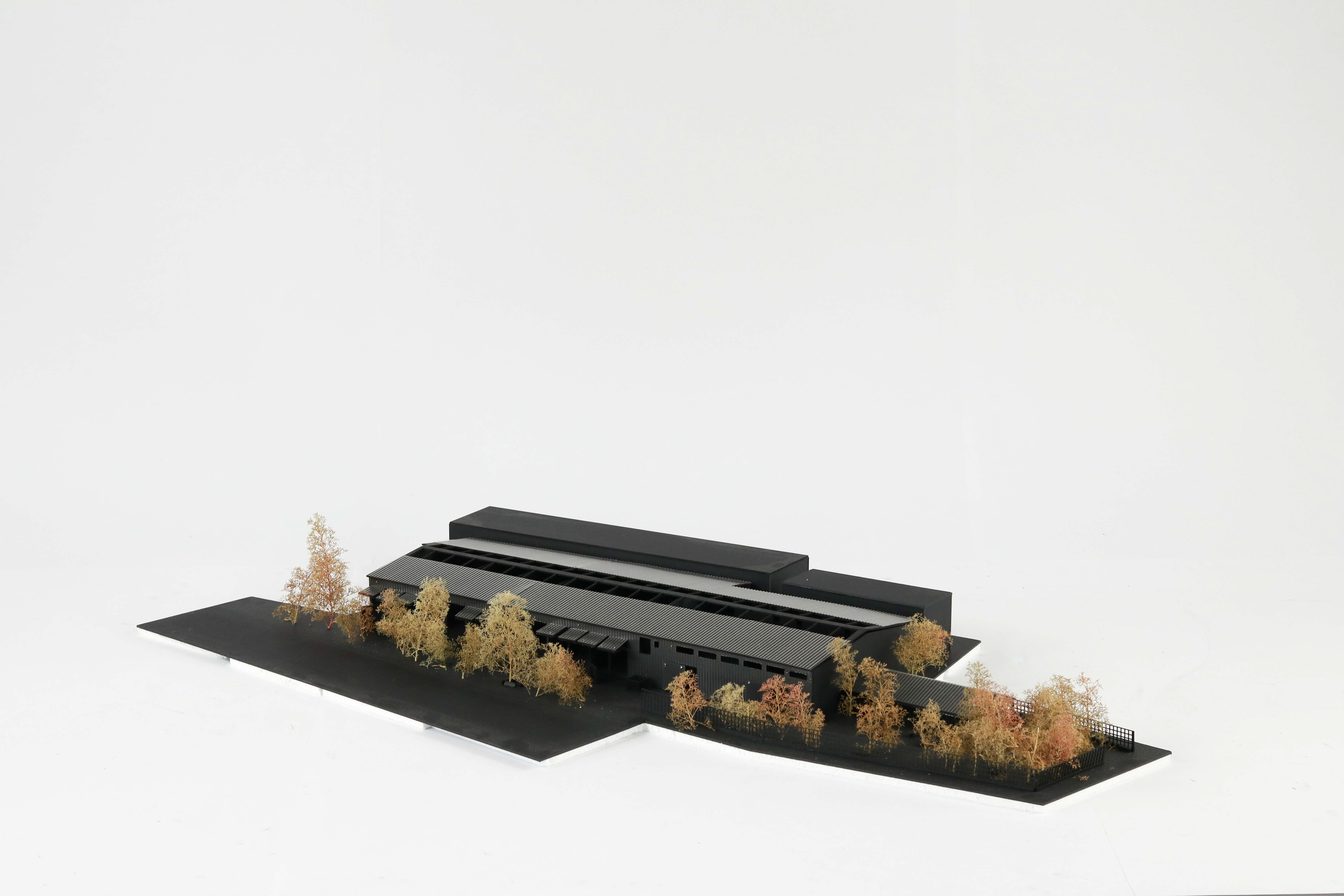
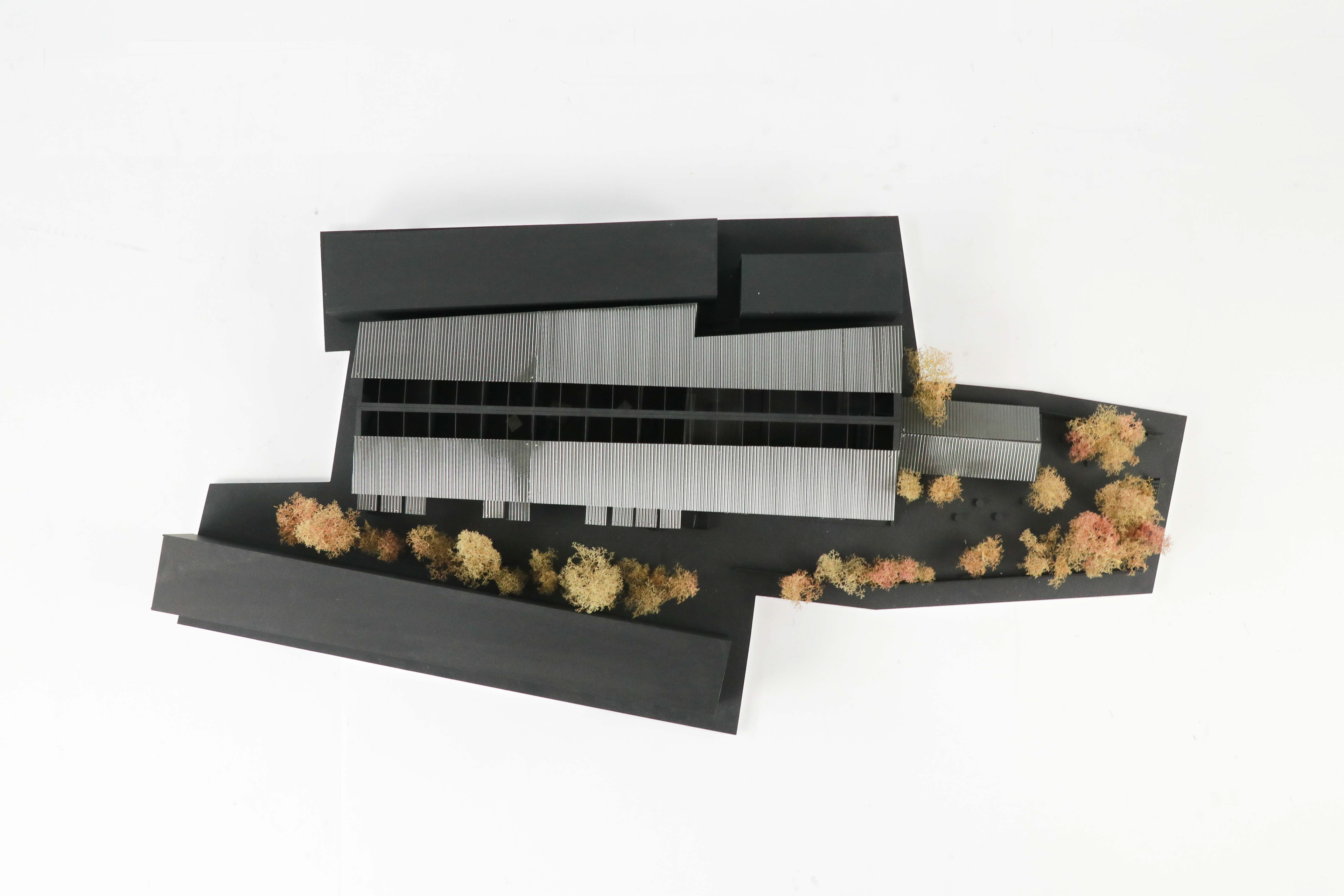
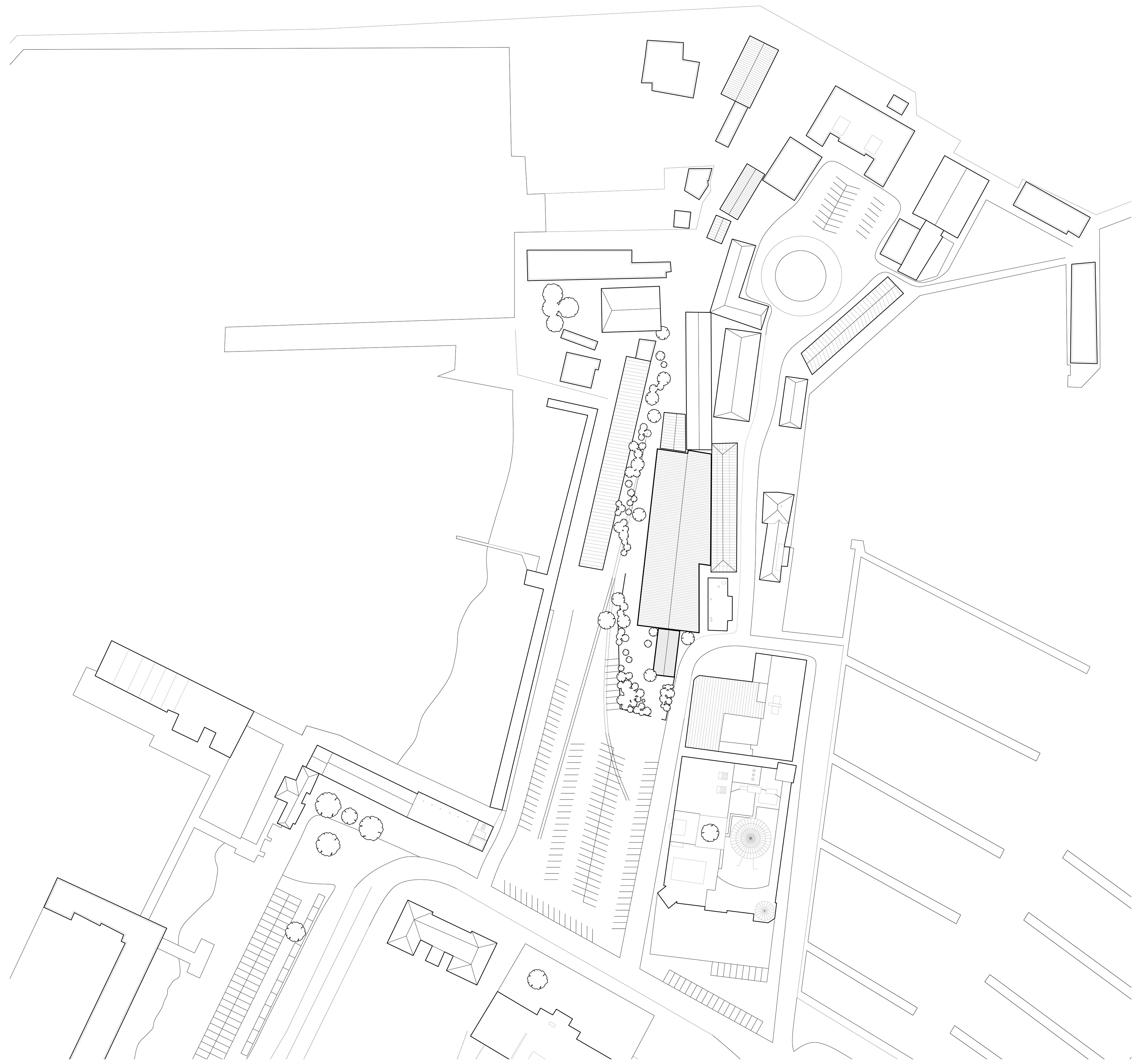
The subject of my fourth semester was to create a club in Trieste, Italy, based on a theme that emerged from the site analysis. The theme was the opportunistic occupation of space, which determined the club’s location. It is situated at the northern end of a parking lot in an abandoned hall and barn, framed by a fence.
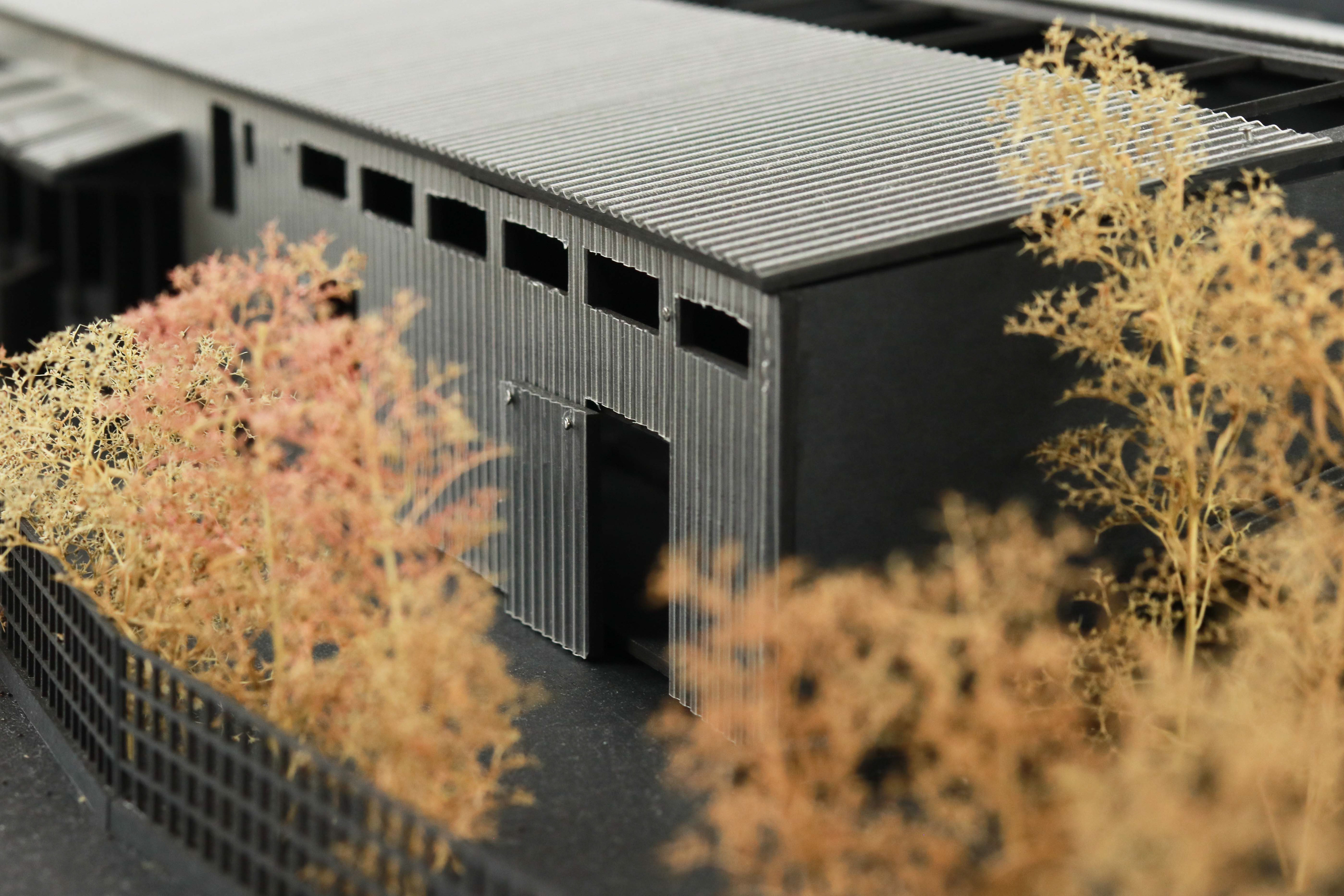
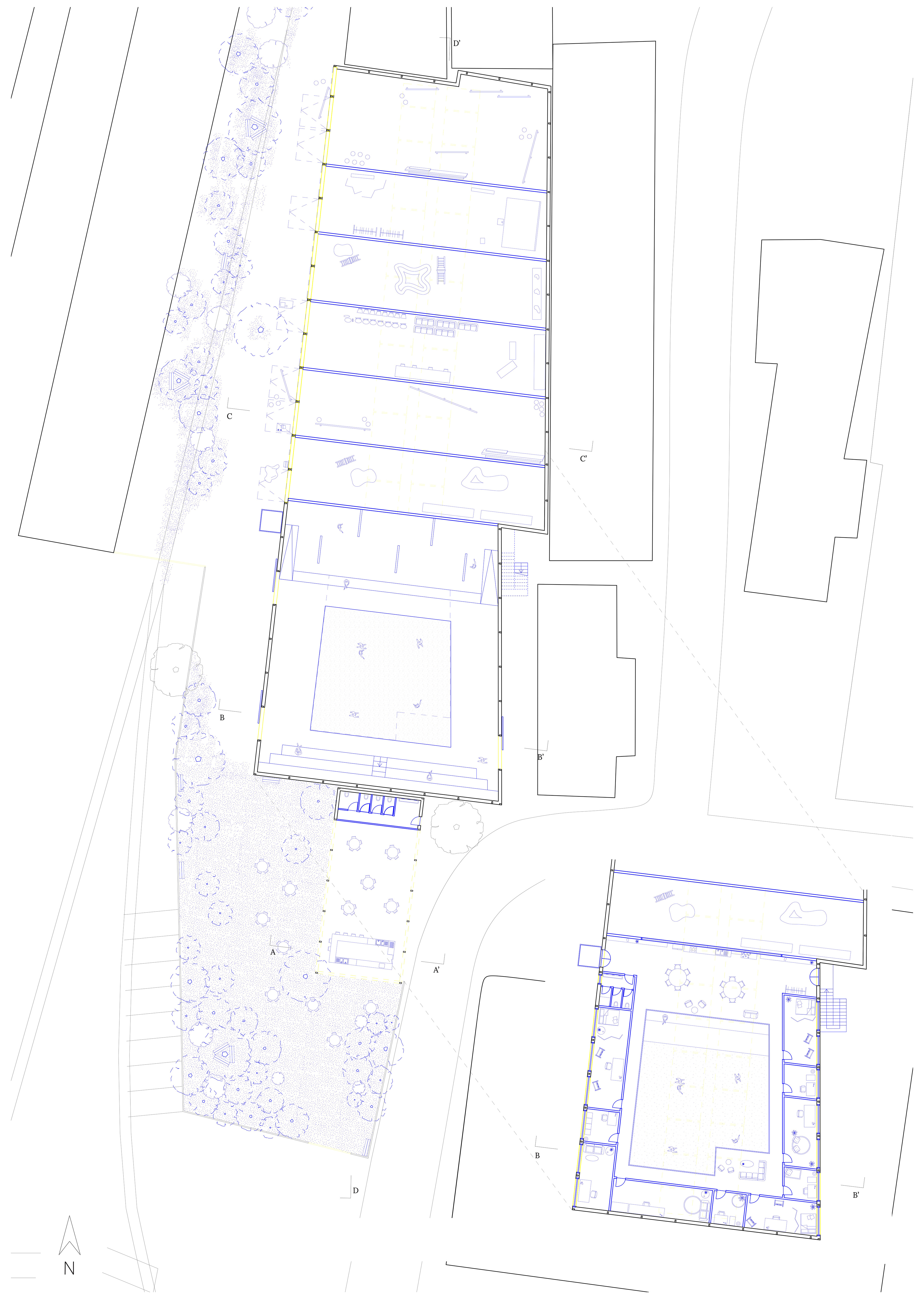
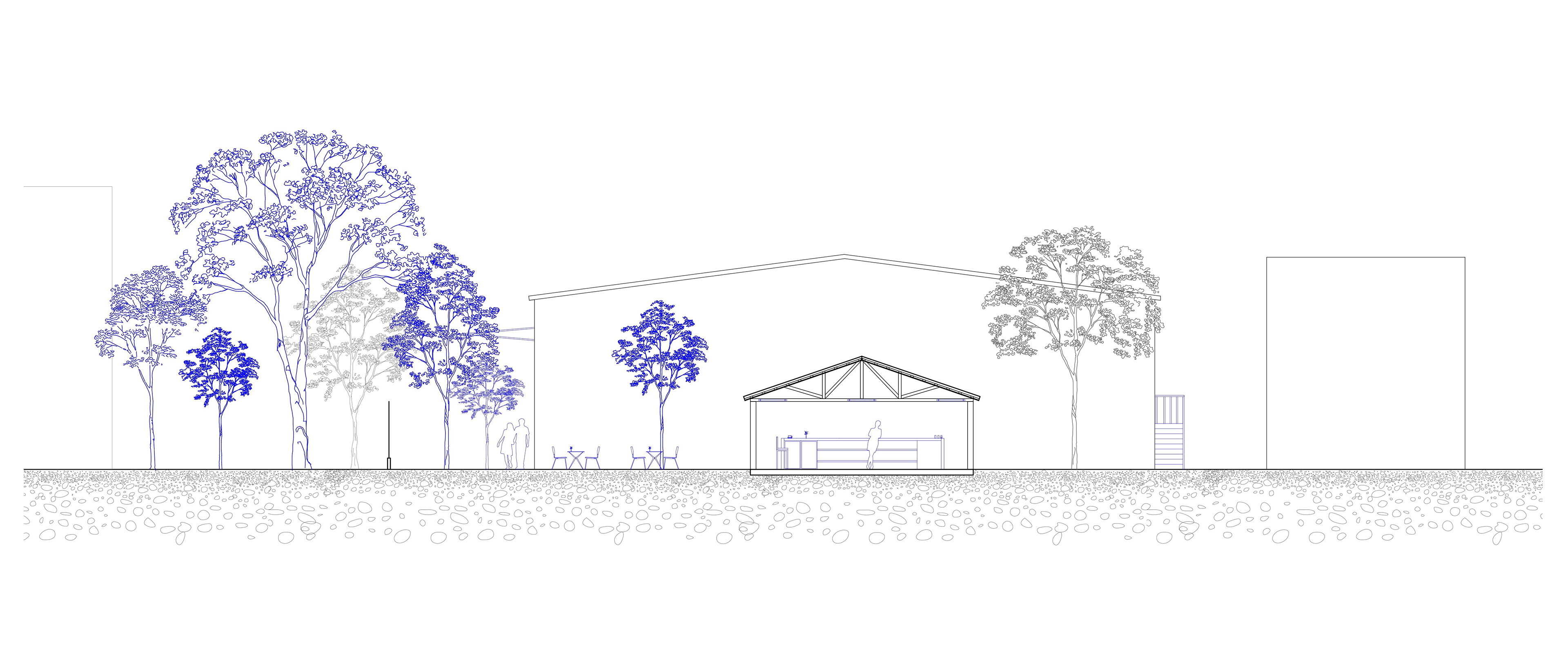
The club, as an artistic collective, aims to be an inclusive space that promotes sharing and connections among artists. The project is divided into three distinct parts: the barn, housing a café/bar; the hall, which includes an exhibition space, artist studios, and a public dance area; and finally, a more isolated section with studios dedicated to large-scale artists, forming a production space.
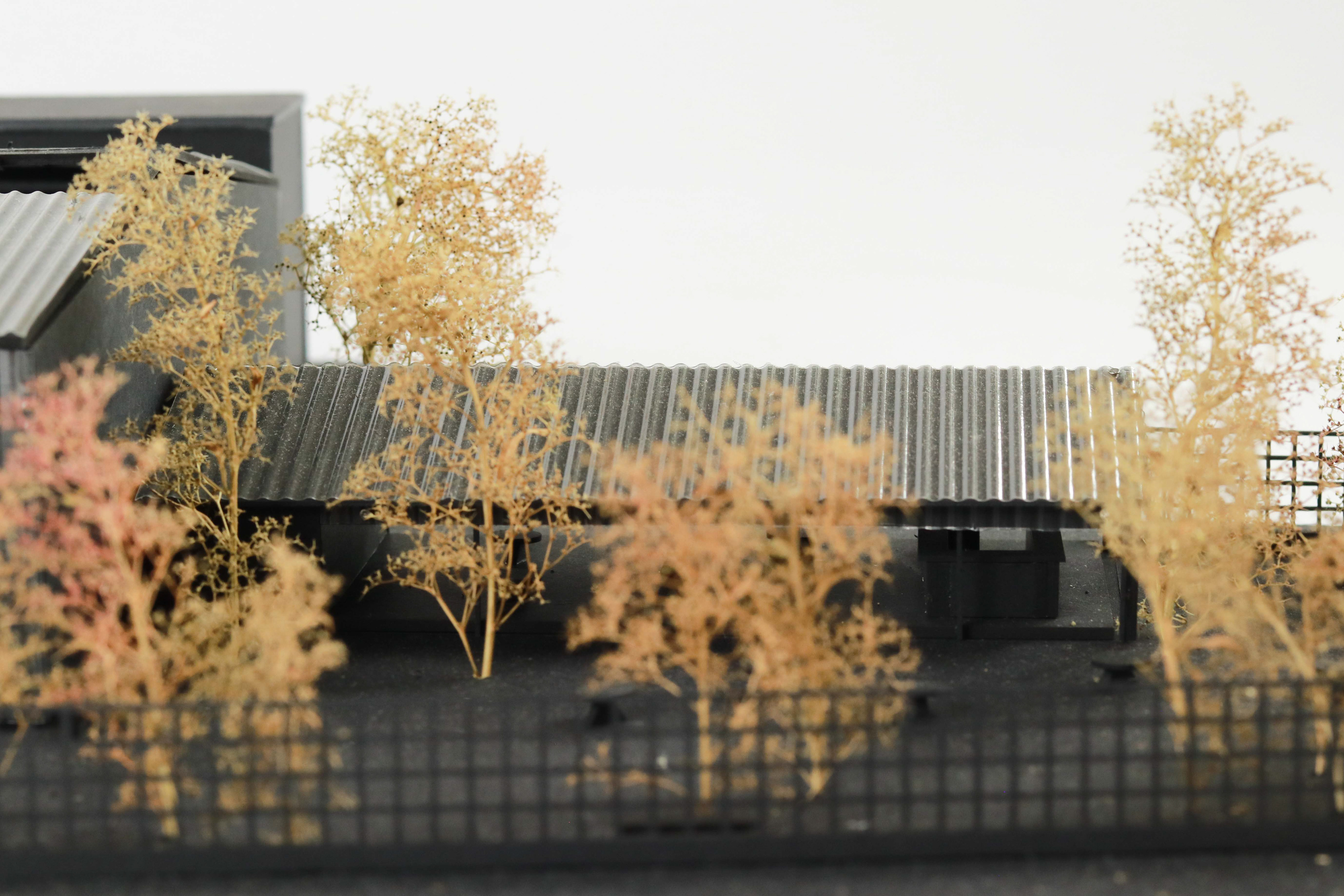
A clear hierarchy is expressed in the organization of the plan, transitioning from a fully public space to a mix of public and private, and finally to a fully private space spilling out into the exterior. The project aims to highlight the vegetation, which is invisible to the naked eye, by creating an oasis at the end of the parking lot, extending the space beyond the fence.
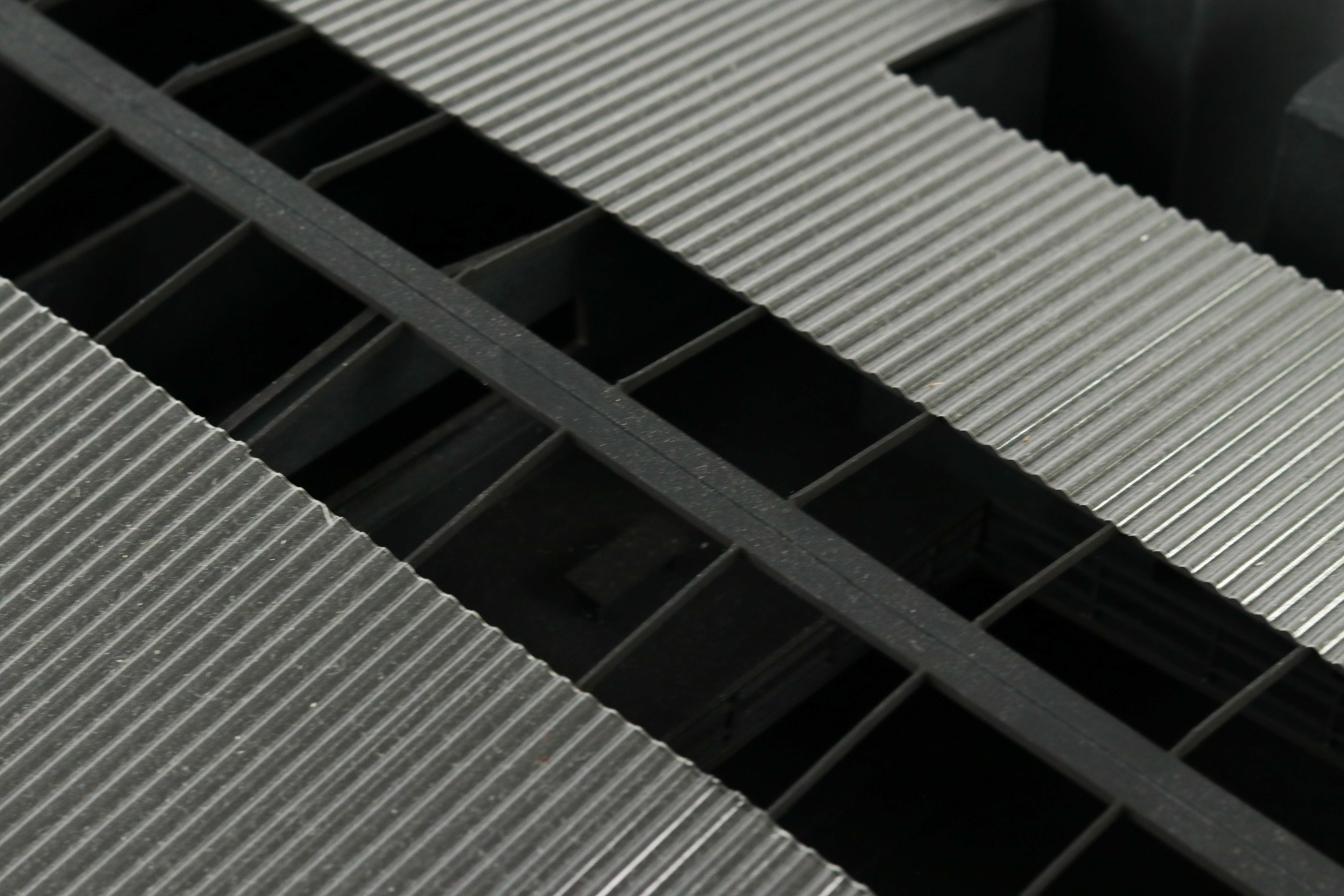
The regulation of the project is based on a 3-meter module derived from the grid of the existing structure in the hall. This measurement serves as the foundation for three different sizes of artist studios on the upper floor and for the production studios. The openness and transversal movement from one side to the other are emphasized by the orientation of public spaces from east to west, illustrated by the complete opening of the barn and the positioning of the hall's doors.
Coupe transversale 1
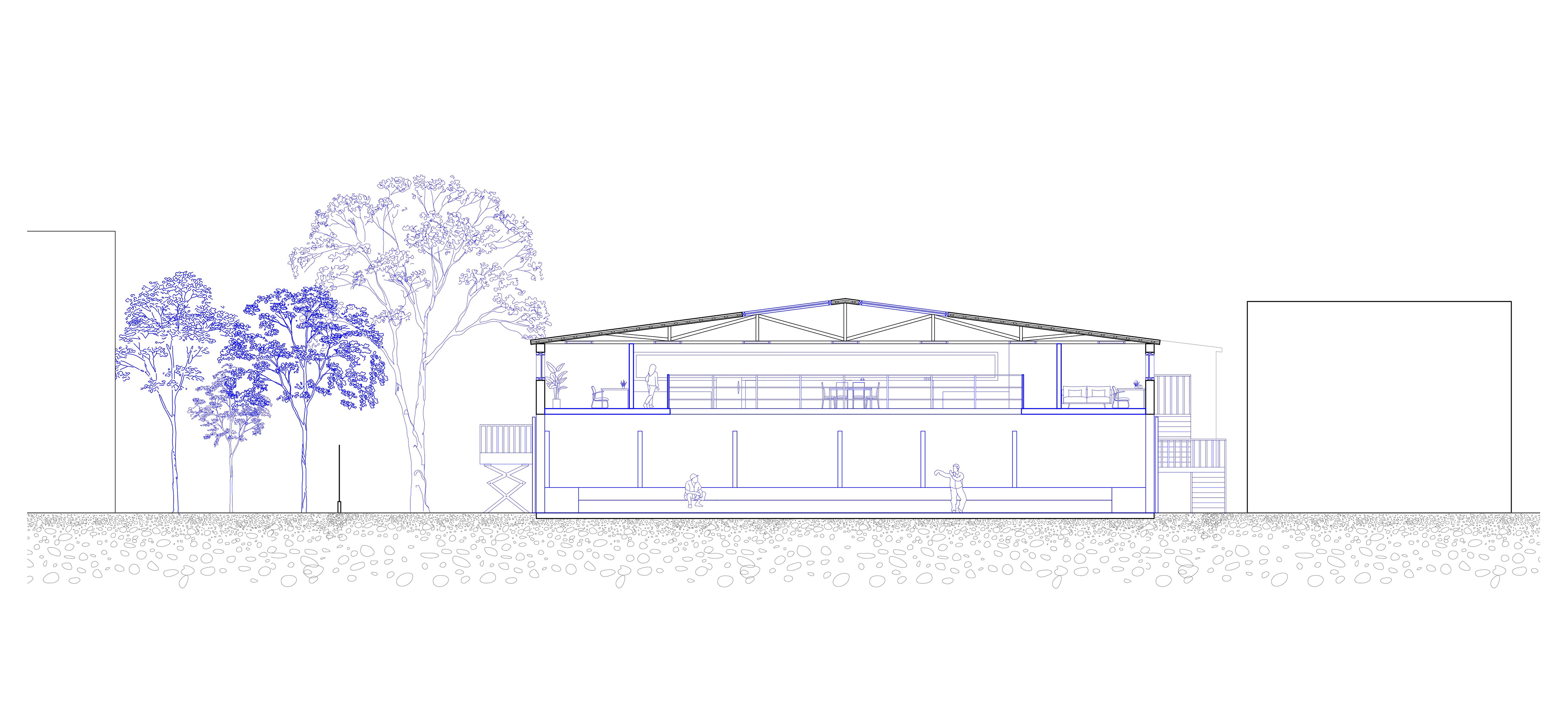
Coupe transversale 2
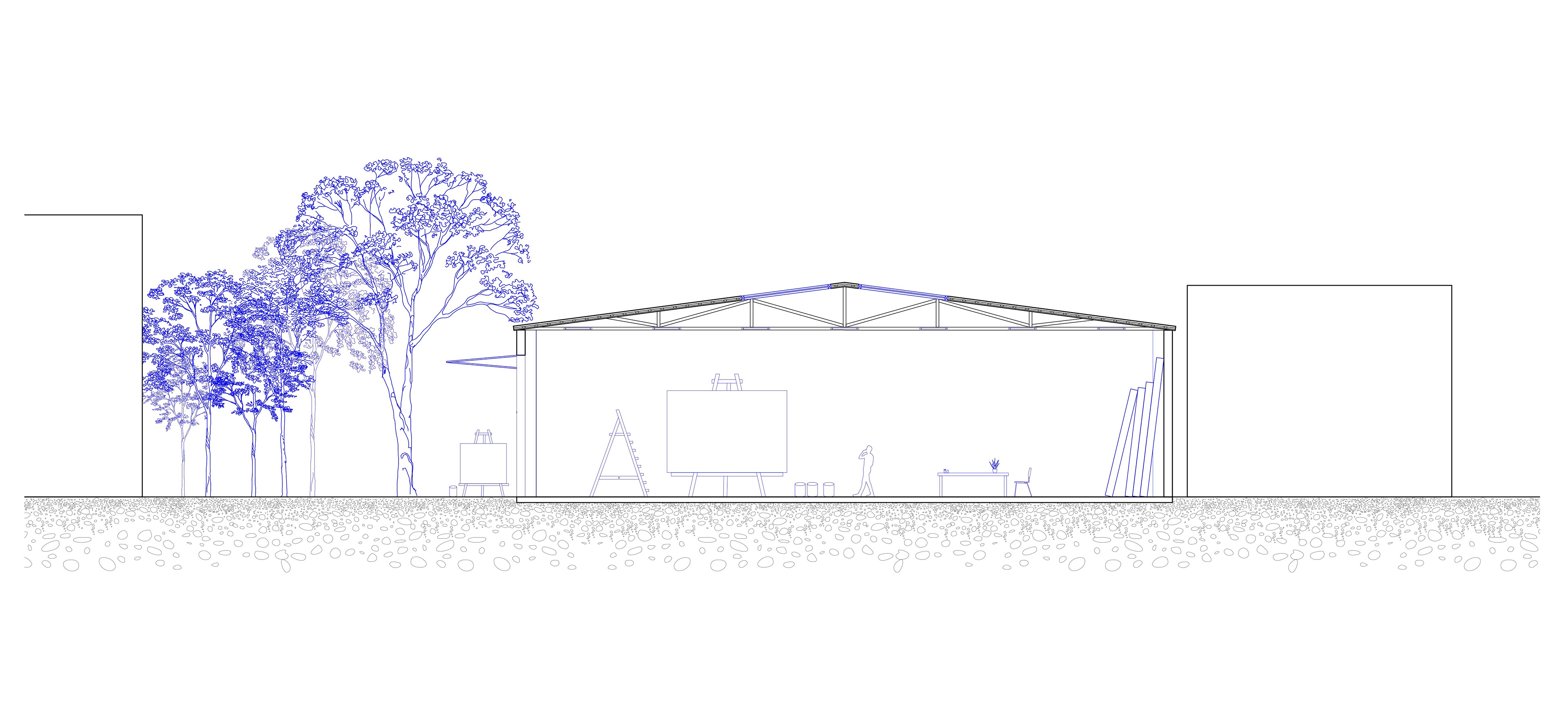
Coupe transversale 3

Coupe longitudinale

Elevation