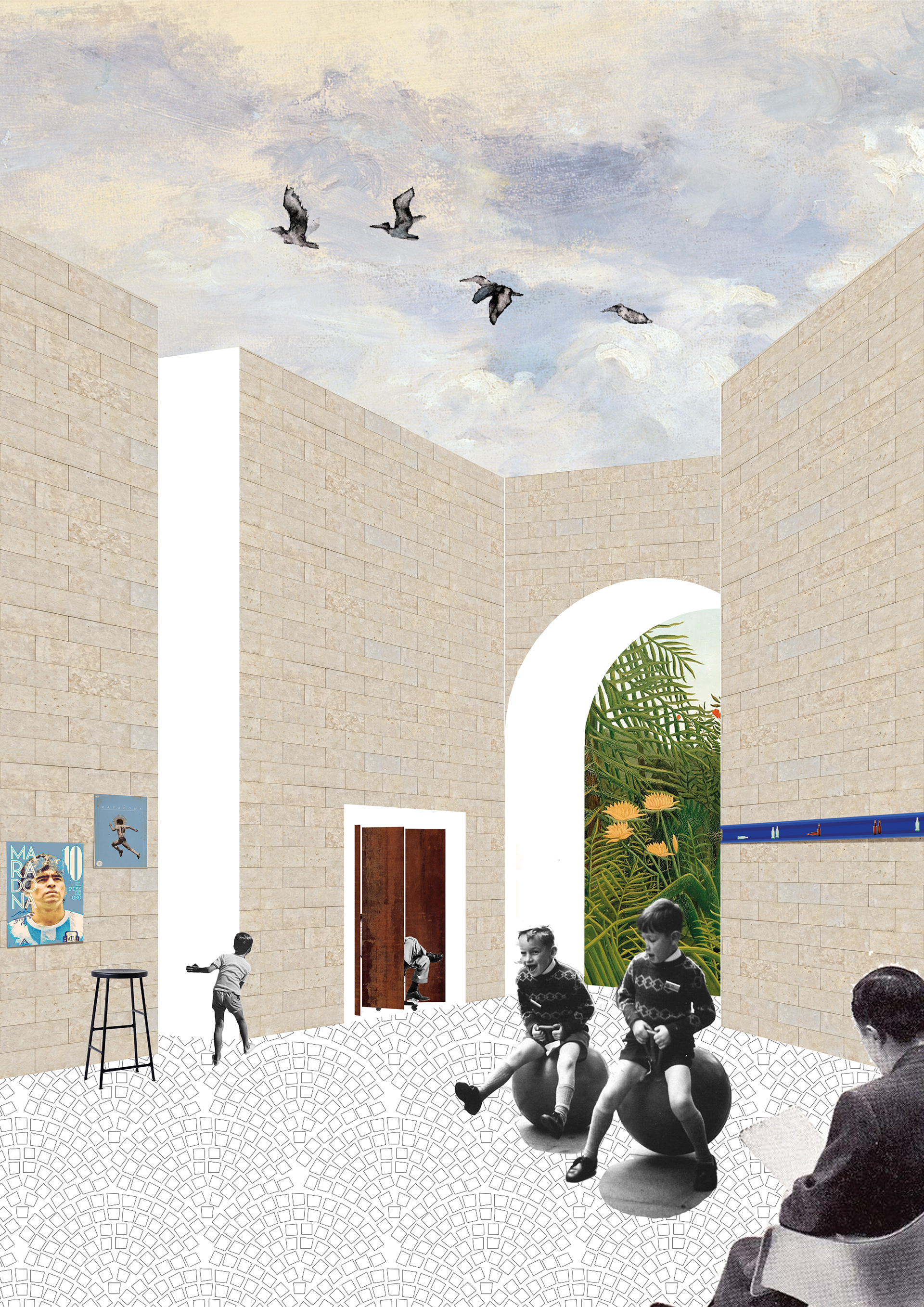
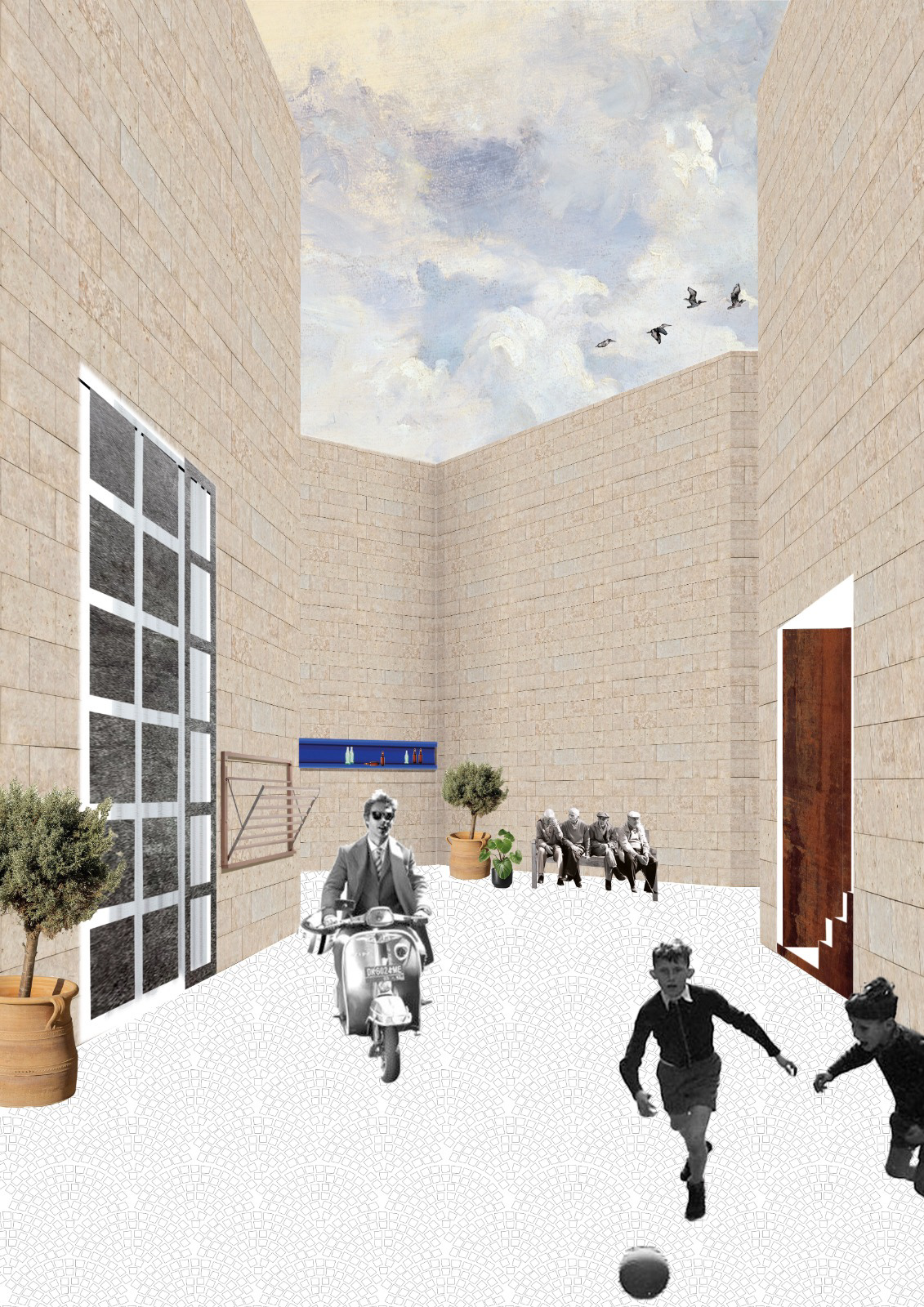
This project follows in the continuity of the photo collection "Life in Napoli," which highlights what is lacking for the inhabitants of Naples.
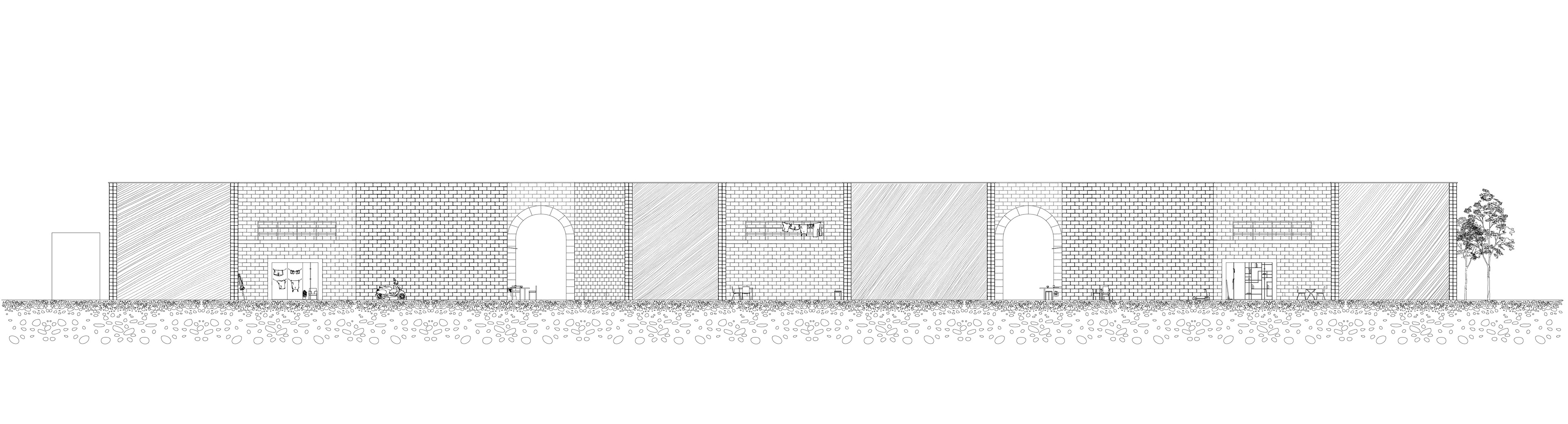
Thus, this project focuses on the design of the 'skin' of the dwellings. We have transformed into concrete architecture what Neapolitans unconsciously create, always emphasizing the fragility of the threshold between private and public.
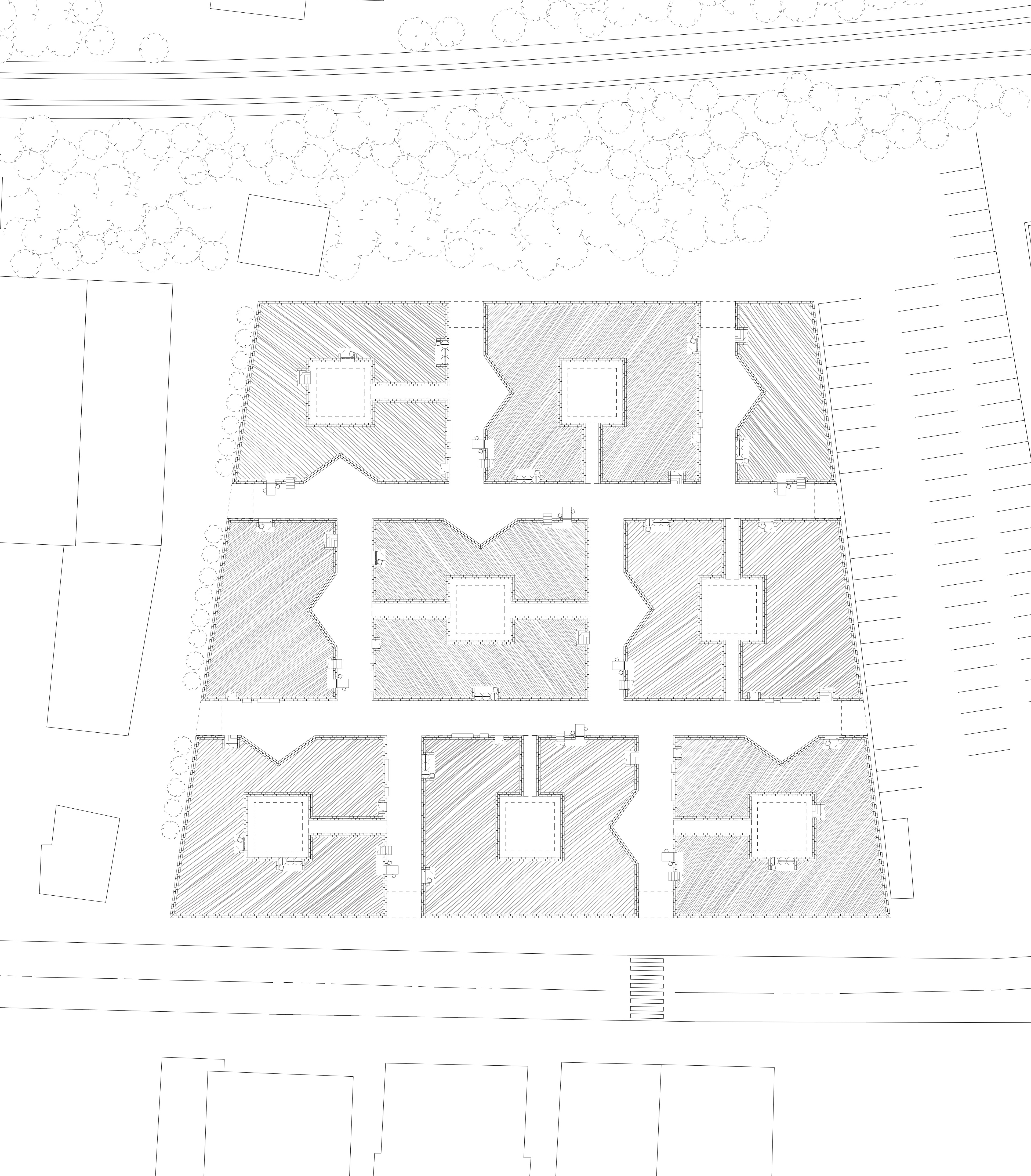
The project is based on an alphabet of elements and typologies of different scales observed in Naples. With all of this, we composed five different entrances as well as a larger-scale plan where we could imagine a small neighborhood.
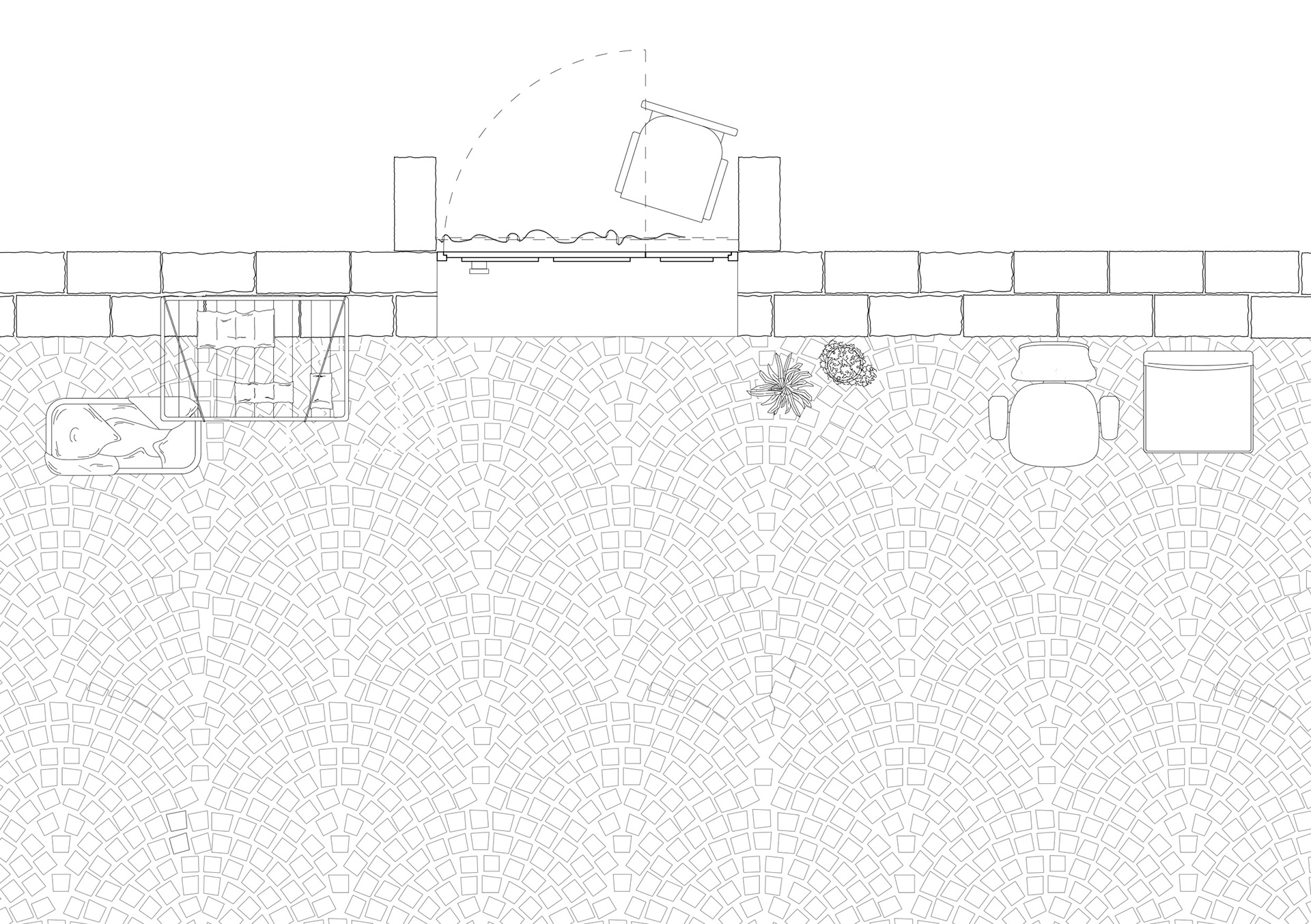
Inside out: Here, the shutter can also become a table. The resident decides whether their private life spills out into the street and whether people can see inside, or if they completely close themselves off inside.
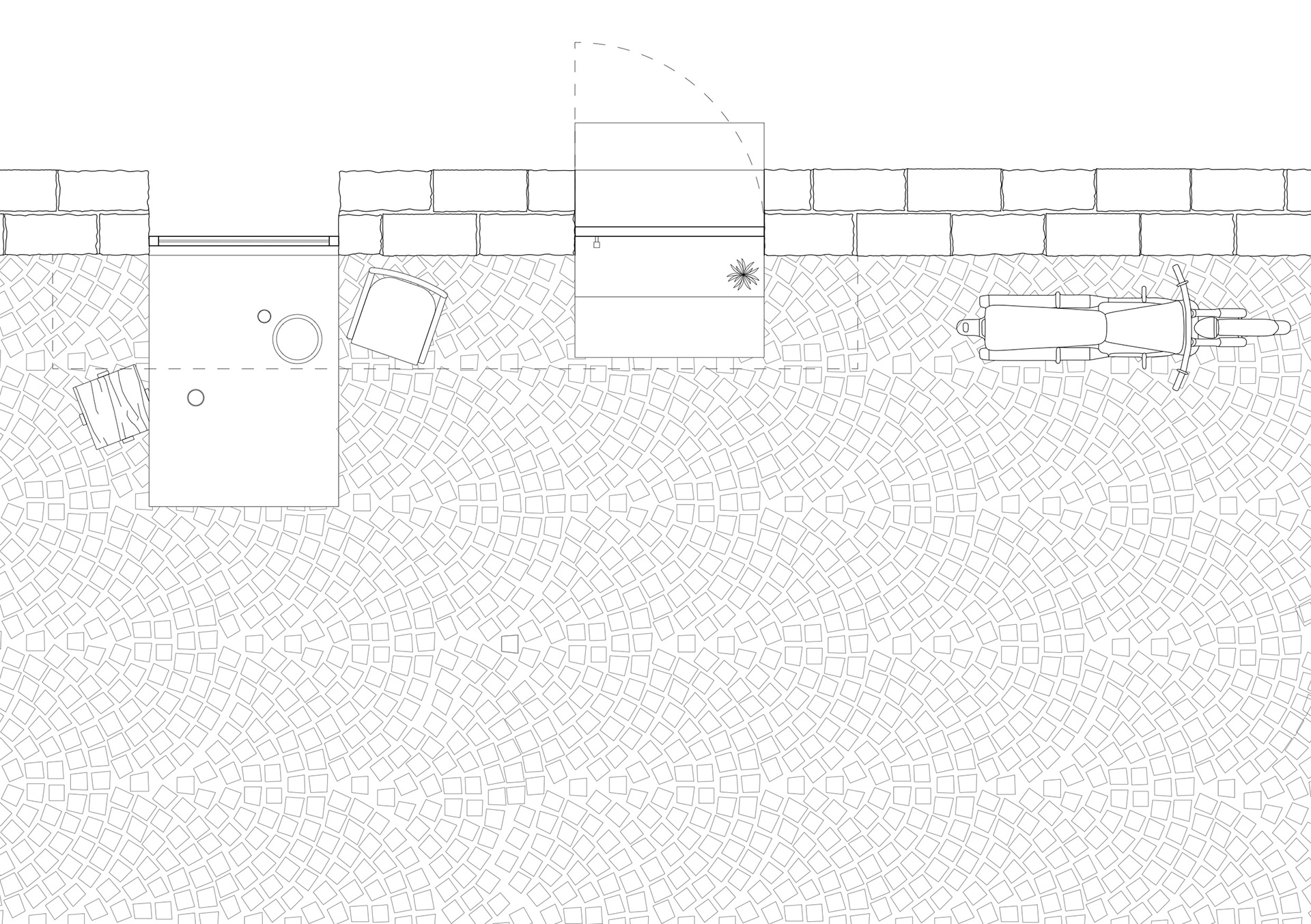
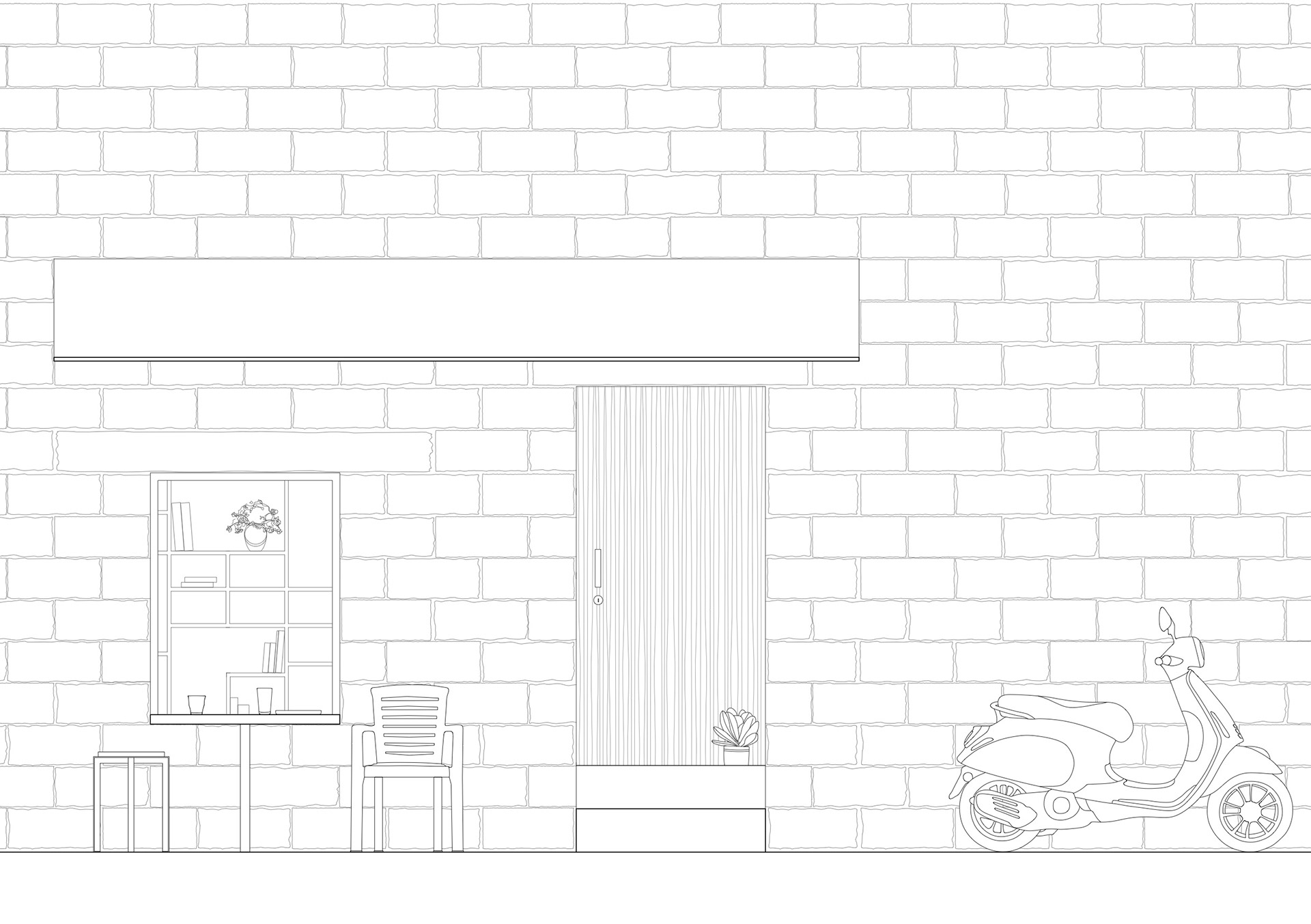
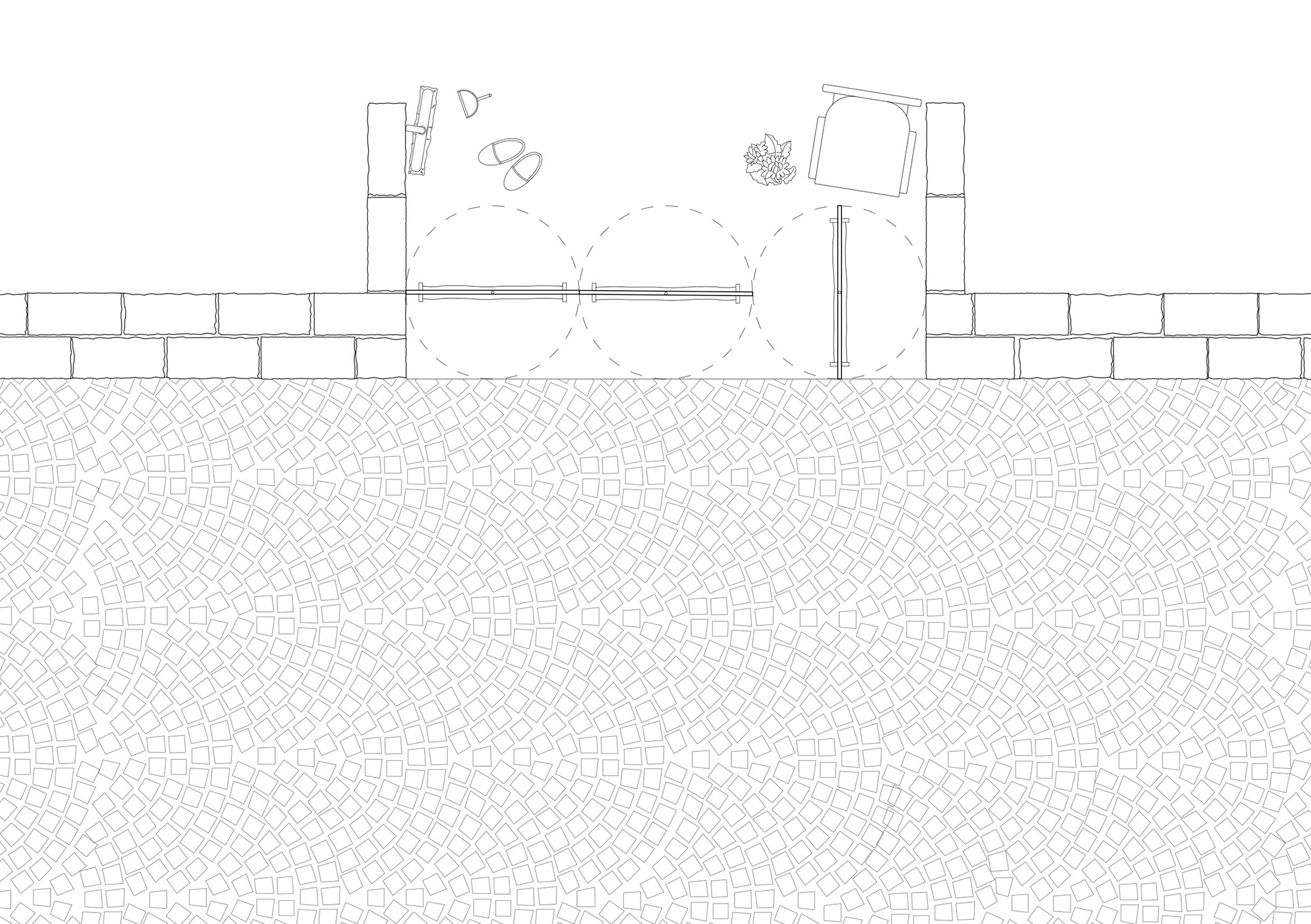
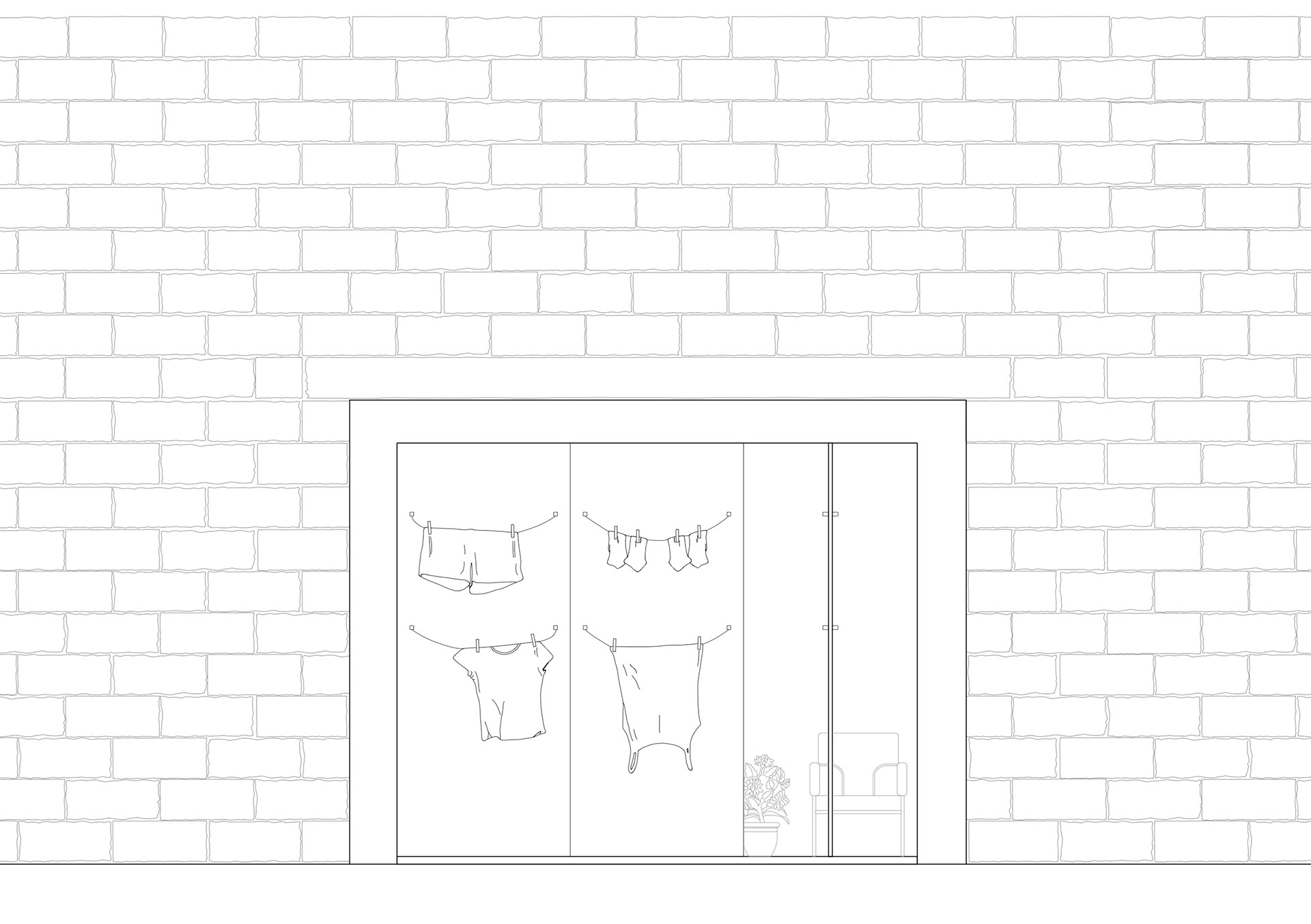
Rotation : This entrance consists of three metal doors that rotate on a central axis. These doors offer a solution for hanging clothes or other objects and can be positioned either inside or outside. Here, the resident can choose which door to open or close, depending on their desire to let the outside flow into their home.
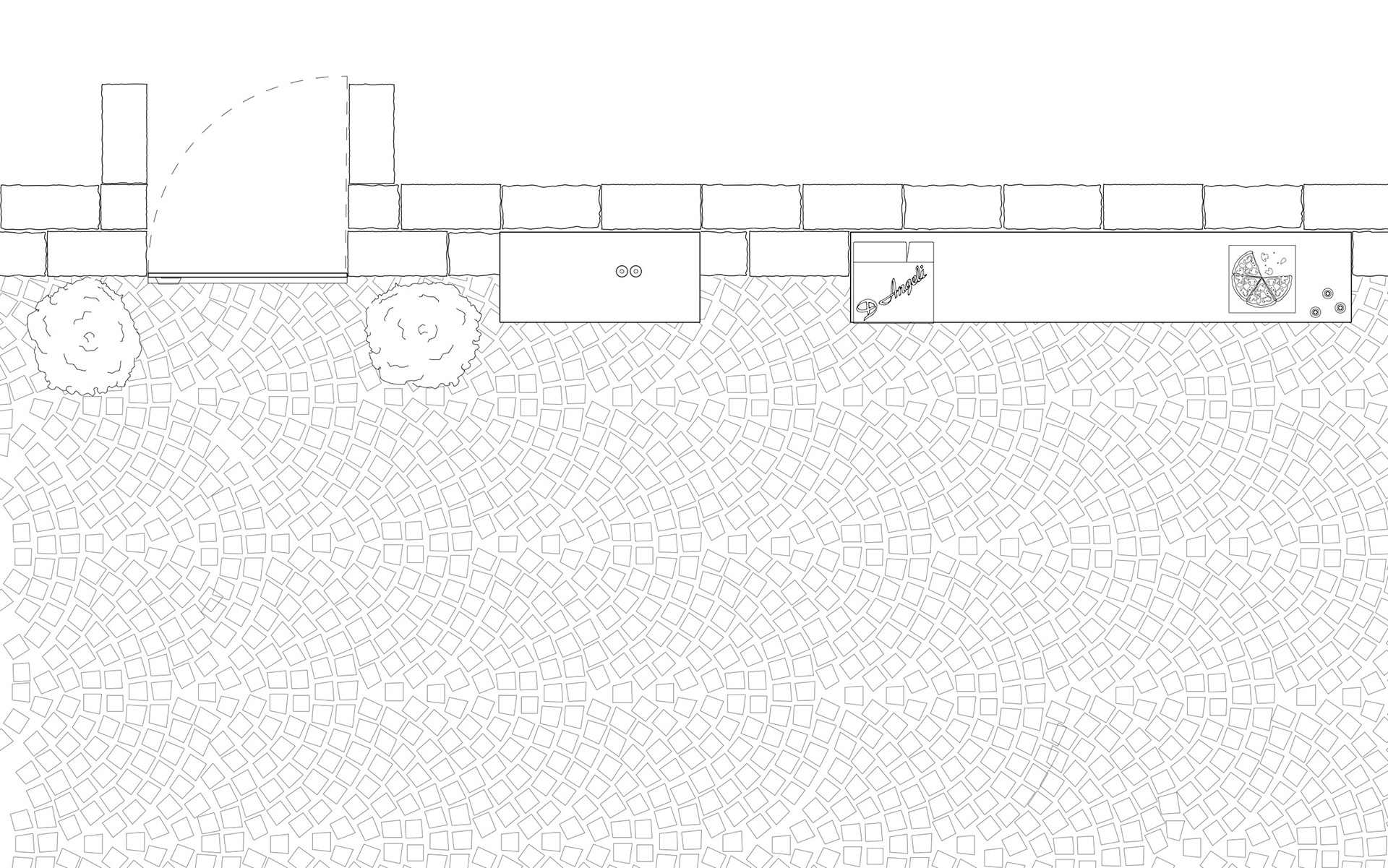
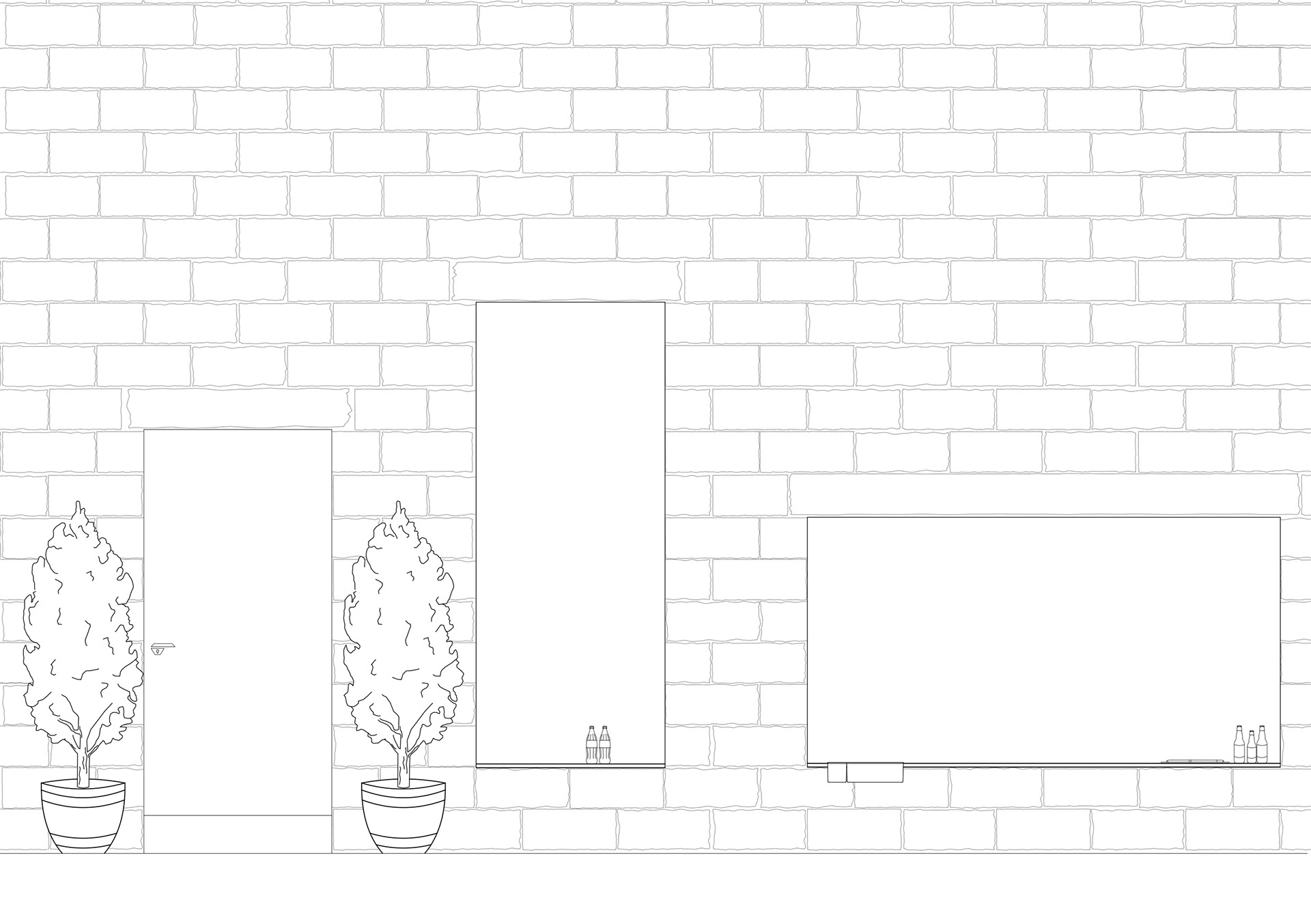
Insertion : This entrance offers a simple door with two seats. The seats are embedded into the residents' wall. The person sitting here is inserted into the resident’s interior space but has no visual connection to it.
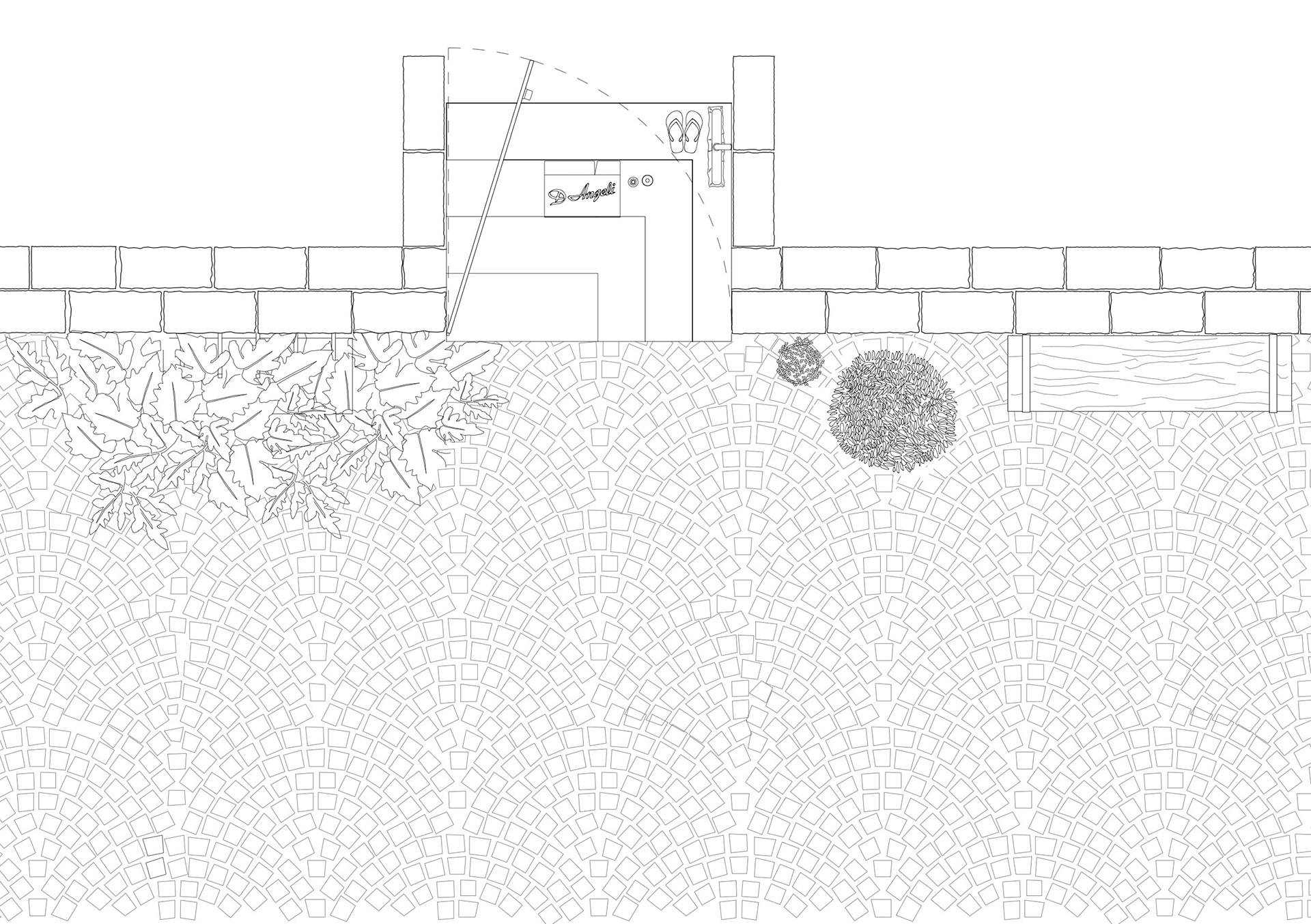
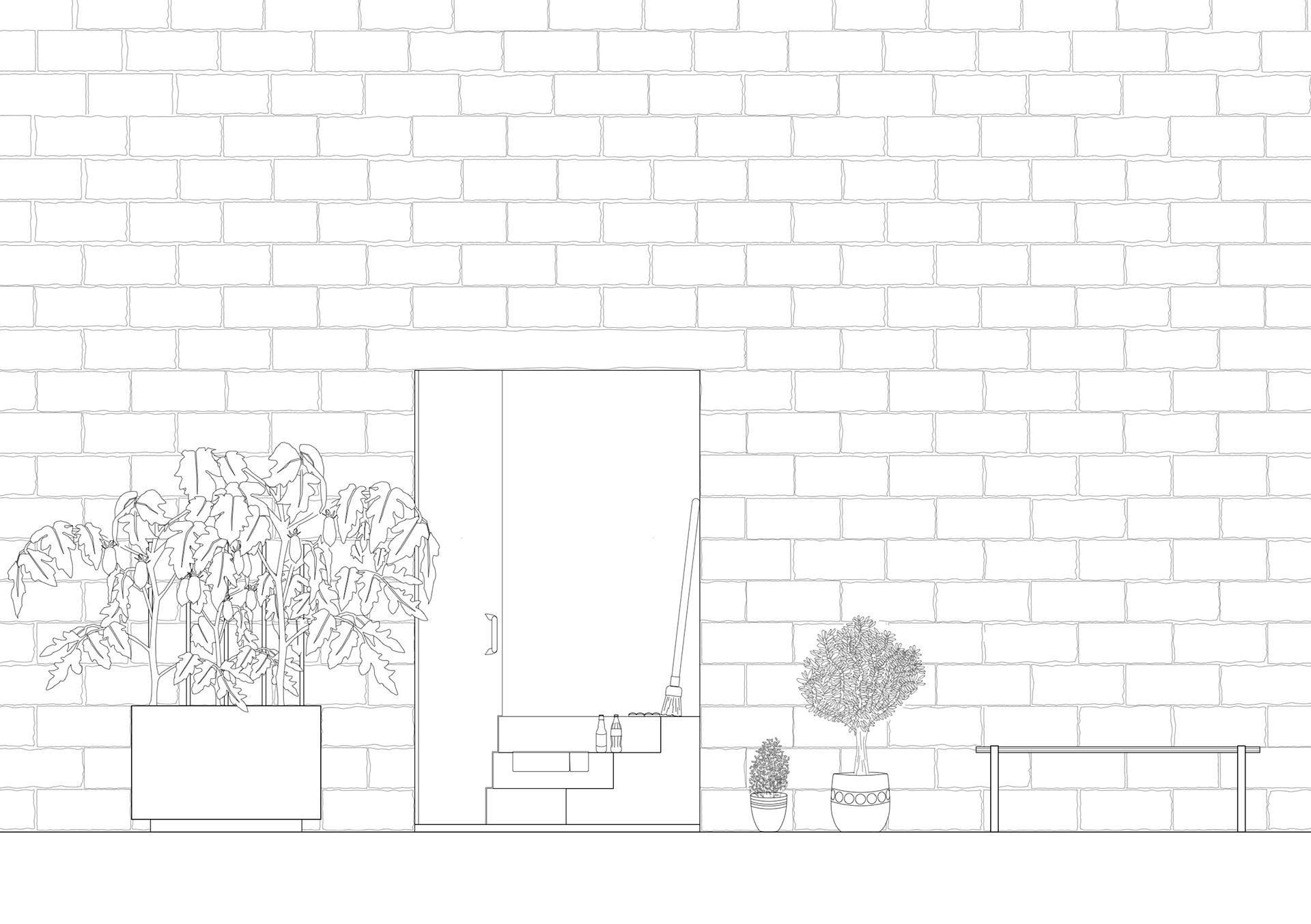
Levels: This entrance highlights the stairs and their use as seating. The door is adapted to the stairs. It emphasizes a thicker boundary where the stairs act as a habitable threshold, with the door becoming a tool to allow communication between the stairs and the street.
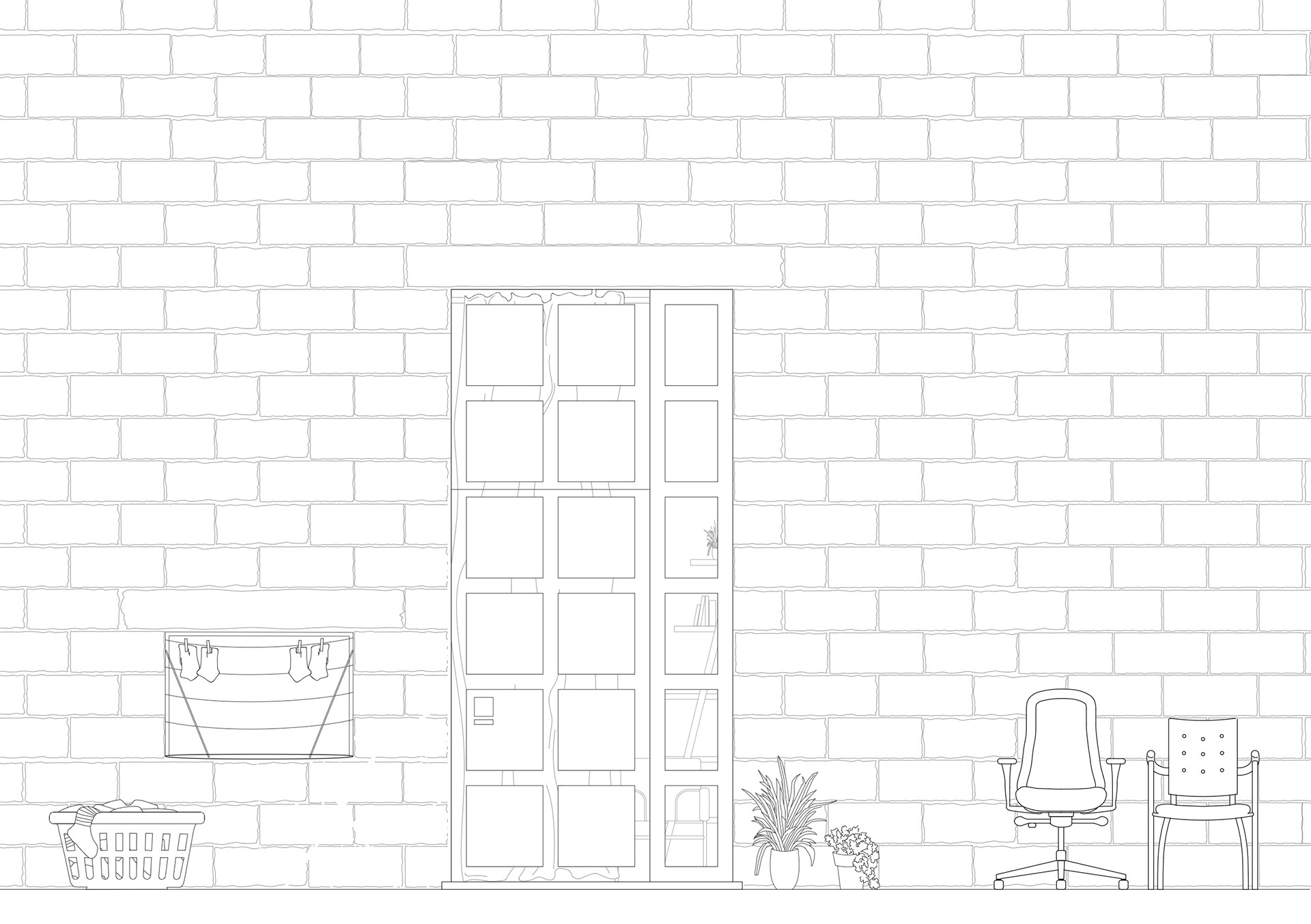
Inversion : This door is almost entirely transparent, with a curtain inside. To amplify this aspect of transparency, the height of the door becomes out of scale. The feature associated with the door is the integrated drying rack, which brings us back to the idea of fabric.